
Noida
08048128196
+918447867861
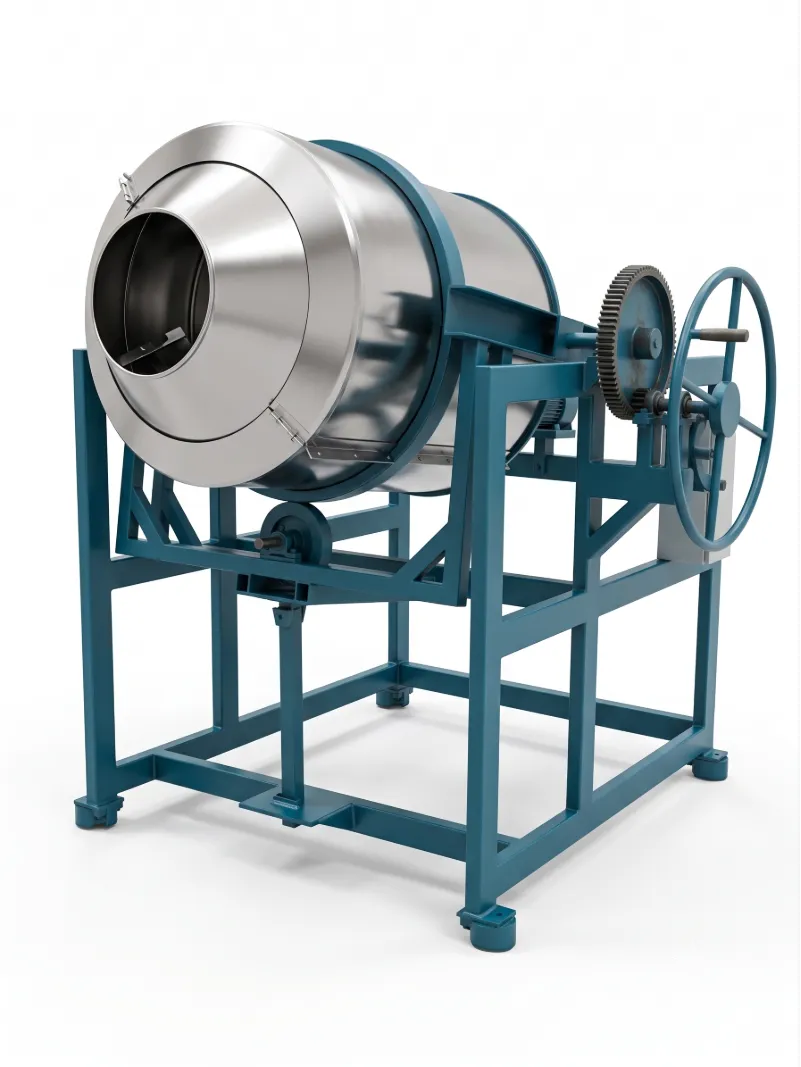
ROASTING MACHINE by SAIFCO

FOOD MATERIAL GRAIN POWDER ROASTER MACHINE

Phone Number

08048128196

Please keep 0 before dialling the number.

Email Address saifcoanis@gmail.com

Mon-Thu: 10 AM - 2 PM • Fri: 3 PM - 7AM

Address A-109 SECTOR-10 NOIDA G.B.NAGAR U.P. 201301

Noida, India, 201301

Description

If you are looking for a Food Grain Powder Roaster Machine for roasting wheat flour, multigrain flour, besan, ragi, maize powder, premixes, baby food, health mix powder, etc., the most important factors are uniform roasting, temperature control, food-grade SS304 construction, and capacity (kg/hr). Roasting helps reduce moisture, improve aroma, increase shelf life, and prepare powders for instant food products.

Other Products

view all

6814772a5d263414004dd4a4 Card 2

product image
ROASTING MACHINE

If you are looking for a Food Grain Powder Roaster Machine for roasting wheat flour, multigrain flour, besan, ragi, maize powder, premixes, baby food, health mix powder, etc., the most important factors are uniform roasting, temperature control, food-grade SS304 construction, and capacity (kg/hr). Roasting helps reduce moisture, improve aroma, increase shelf life, and prepare powders for instant food products.

6814772a5d263414004dd4a4 Card 2

product image
vibro sifter screening machine

A vibro sifter (also known as a vibrating screen separator or gyratory sifter) is an essential piece of industrial processing equipment used to separate, grade, and scalp bulk materials—including powders, granules, and liquids—based on particle size. How It Works (The 3D Motion)Unlike standard linear screens that just shake back and forth, a vibro sifter uses a specially designed gyratory motor fitted with eccentric weights at the top and bottom of the motor shaft.This setup generates a unique three-dimensional vibration:Horizontal motion: Spreads the material from the center of the screen to the edges.Vertical motion: Lifts the material, allowing finer particles to fall through the mesh.Tangential motion: Moves the oversize material in a circular path toward the discharge outlet.By adjusting the angle between the top and bottom weights, an engineer can control the flow pattern of the material on the screen to optimize either high throughput or highly precise separation.Core Applications in Food ProcessingVibro sifters are critical for quality control and grading in continuous processing lines. Depending on the screen mesh size, they serve distinct roles:Maize Grit & Dalia Plants: Used extensively to grade broken grains into precise, uniform sizes (e.g., separating fine flour dust from premium coarse dalia or maize grits). Multi-deck sifters allow for simultaneously extracting 3 to 4 different commercial grades.Spice Milling (Turmeric, Chilli): Placed immediately after a pulverizer to catch and recycle oversized, unground pieces back into the mill, ensuring the final spice powder is perfectly smooth and free of lumps.Flour Mills: Used as a safety screen (scalper) to remove foreign impurities like threads, tags, or small stones before packaging.Key ComponentsComponentFunctionFeed InletWhere bulk material enters the center of the top screen.Screen / Mesh DecksWoven wire cloth (usually stainless steel). Sifters can be single-deck or multi-deck (stacking progressively finer meshes).Discharge OutletsSeparate chutes for the “oversize” material and the “undersize” material.Vibratory MotorThe heart of the machine, generating the required gyratory force.Suspension SpringsIsolate the intense vibration of the upper assembly from the stationary base, preventing floor damage.

6814772a5d263414004dd4a4 Card 2

product image
Whole Wheat Atta Chakki Plant

he Processing WorkflowA complete automatic plant moves the grain through several distinct stages using pneumatic elevators and conveyors to minimize manual handling.1.Pre-Cleaning and Destoning:Raw wheat is fed into a Vibro Separator and Destoner (often using a 1.5 to 2 TPH capacity grader). This removes heavy impurities like stones, mud balls, and lightweight dust. A magnetic separator is also used to catch any iron particles.2.Conditioning (Dampening):The cleaned wheat is mixed with a precise amount of water and sent to conditioning silos for 12–24 hours. This softens the endosperm and toughens the bran, making it easier to grind the wheat without pulverizing the outer shell too finely.3.Milling (Grinding Section):The grain is pneumatically transported to the milling section. Commercial plants typically use heavy-duty horizontal or vertical chakkis featuring 24“ or 30” emery stones. The RPM (usually around 960 to 1440) and pressure are carefully controlled to retain the nutritional value and avoid burning the flour.4.Sieving and Grading:The crushed material passes through a Plansifter or centrifugal sieving machine. This separates the fine Chakki Fresh Atta from the coarse bran (choker). The sieving mesh size dictates the final texture of the flour.5.Storage and Packaging:The finished atta is blown into storage silos using a cyclone and blower system. From there, an automatic packaging machine weighs and seals the flour into commercial bags (typically 5kg, 10kg, or 25kg) with minimal human contact.